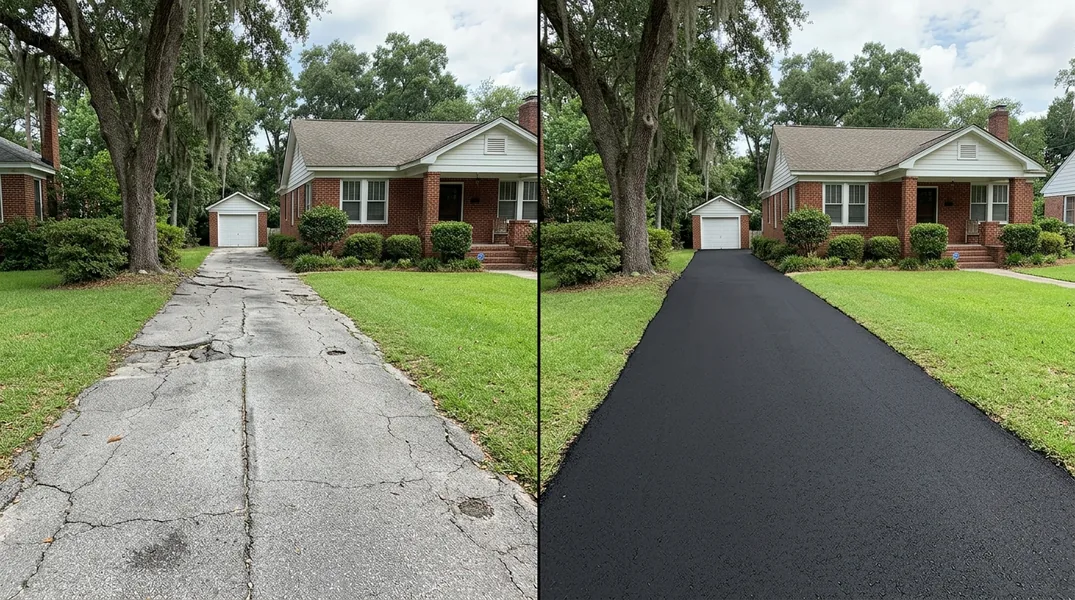
Understanding Asphalt Driveway Damage: Repair vs. Replace
Your driveway is one of the hardest working features of your home, enduring daily traffic, weather exposure, and the intense humidity of Savannah. Over time, even well-maintained asphalt develops cracks, potholes, and surface deterioration. When you notice damage, the first question homeowners ask is simple but important: should I repair this, or is it time for a full replacement?
The answer depends on several factors, including the extent of the damage, the age of your driveway, and your long-term plans for the property. Small cracks and minor potholes are typically candidates for Driveway Repair, while widespread cracking, significant settling, or extensive deterioration may warrant a complete replacement with Asphalt Driveway Paving & Installation. Understanding the difference helps you make a smart investment in your property.
How Long for Asphalt to Cure: What You Need to Know
One of the most common questions homeowners ask after installing a new driveway is how long for asphalt to cure. This is critical information because driving on uncured asphalt can cause permanent damage, including ruts, depressions, and accelerated wear. The curing process is not instantaneous, and patience during this period protects your investment.
Typically, new asphalt requires 24 to 48 hours before you can safely drive on it with regular vehicles. However, the full curing process can take up to 6 months, during which the asphalt continues to harden and strengthen. In the first few weeks, the surface is still relatively soft and vulnerable to damage from heavy vehicles, sharp objects, or extreme heat. During Savannah's hot summers, curing may proceed more quickly, but you should still follow your contractor's specific guidance.
The asphalt may appear dry and walkable after just a few hours, but appearances are deceiving. Even though you might be tempted to use your driveway sooner, waiting the full recommended time ensures the material bonds properly and reaches its designed strength. Savannah Asphalt Paving always provides detailed curing instructions with every installation to help homeowners protect their new driveways.
How Long Before You Can Drive on New Asphalt: A Practical Timeline
Understanding how long before you can drive on new asphalt helps you plan your schedule and avoid costly mistakes. The timeline breaks down into several stages, each with its own restrictions and considerations.
For the first 24 to 48 hours after installation, avoid all vehicle traffic if possible. This is the critical initial curing window when the asphalt is most vulnerable. After 48 hours, you can typically resume normal driving, but keep vehicle speeds low and avoid sudden acceleration or hard braking. Heavy vehicles, delivery trucks, and RVs should wait at least 7 days before using the driveway. During the first week, the asphalt is still gaining strength, and concentrated weight from heavy vehicles can cause permanent indentations.
By the two-week mark, you can generally resume normal driving patterns with regular passenger vehicles. However, avoid parking in the same spot repeatedly, as concentrated heat and weight can soften the asphalt before it's fully cured. The complete curing process continues for several months, which is why proper Driveway Repair and maintenance during this period is essential. Protecting your new asphalt driveway during curing sets the foundation for decades of reliable performance.
New Asphalt Driveway Care: Essential Maintenance Steps
Proper new asphalt driveway care during and after the curing period is the difference between a driveway that lasts 15 years and one that lasts 25 years or more. Many homeowners don't realize that what they do in the first few months has a lasting impact on the driveway's lifespan.
During the curing phase, avoid parking in the same location repeatedly, as the concentrated weight and heat can cause soft spots. Keep the driveway clean by sweeping away debris, which can trap moisture and promote deterioration. Avoid using harsh chemicals or pressure washers during the first few months, as these can damage the freshly cured surface. If you notice small cracks or damage during this period, have them addressed promptly before they spread. Early intervention through Pothole Repair & Asphalt Patching prevents minor issues from becoming major problems.
Once your driveway has fully cured, establish a regular maintenance routine that includes sweeping, cleaning spills promptly, and scheduling annual inspections. Savannah's humid climate and occasional heavy rains can accelerate wear if your driveway isn't properly maintained. By investing time in basic care now, you'll extend the life of your driveway and avoid expensive repairs later.
How Often to Seal Driveway: Protecting Your Investment
Seal coating is one of the most cost-effective ways to protect your asphalt driveway and extend its lifespan significantly. However, many homeowners are unsure about how often to seal driveway surfaces. The answer depends on your climate, traffic volume, and the condition of your existing asphalt.
For most driveways in Savannah, seal coating should be applied every 2 to 3 years. This schedule protects the asphalt from UV damage, water infiltration, and oxidation, which are the primary causes of deterioration in our region. New asphalt should be sealed after the first 6 to 12 months of curing, once the surface has fully hardened. After that initial seal coat, maintaining a regular schedule keeps the protective layer fresh and effective.
If your driveway experiences heavy traffic or you notice the seal coat beginning to fade or wear thin, you may need to reseal more frequently. The cost of regular seal coating is minimal compared to the cost of major repairs or Asphalt Resurfacing & Overlay work. Think of seal coating as insurance for your driveway. It's a preventive measure that saves you money in the long run while keeping your driveway looking fresh and well-maintained.
When to Call a Professional: Repair vs. Replace Decision
Deciding whether to repair or replace your driveway requires an honest assessment of the damage and your budget. If your driveway shows isolated cracks, small potholes, or surface wear, repair is usually the most economical choice. However, if the damage is widespread, the base is failing, or you're seeing major settlement issues, replacement may be the better long-term investment.
A professional inspection from Savannah Asphalt Paving can help you understand your options and make an informed decision. We'll assess the severity of the damage, evaluate the underlying base, and recommend the most cost-effective solution for your situation. Whether you need Driveway Repair, patching, resurfacing, or complete replacement, our team has the expertise to handle it. Contact Savannah Asphalt Paving at (912) 465-2393 or request a free estimate today to discuss your driveway's needs and get a clear picture of your options.
Looking for a professional asphalt paving contractor in Savannah? Savannah Asphalt Paving responds fast for all your asphalt paving needs.
Get a Free Quote